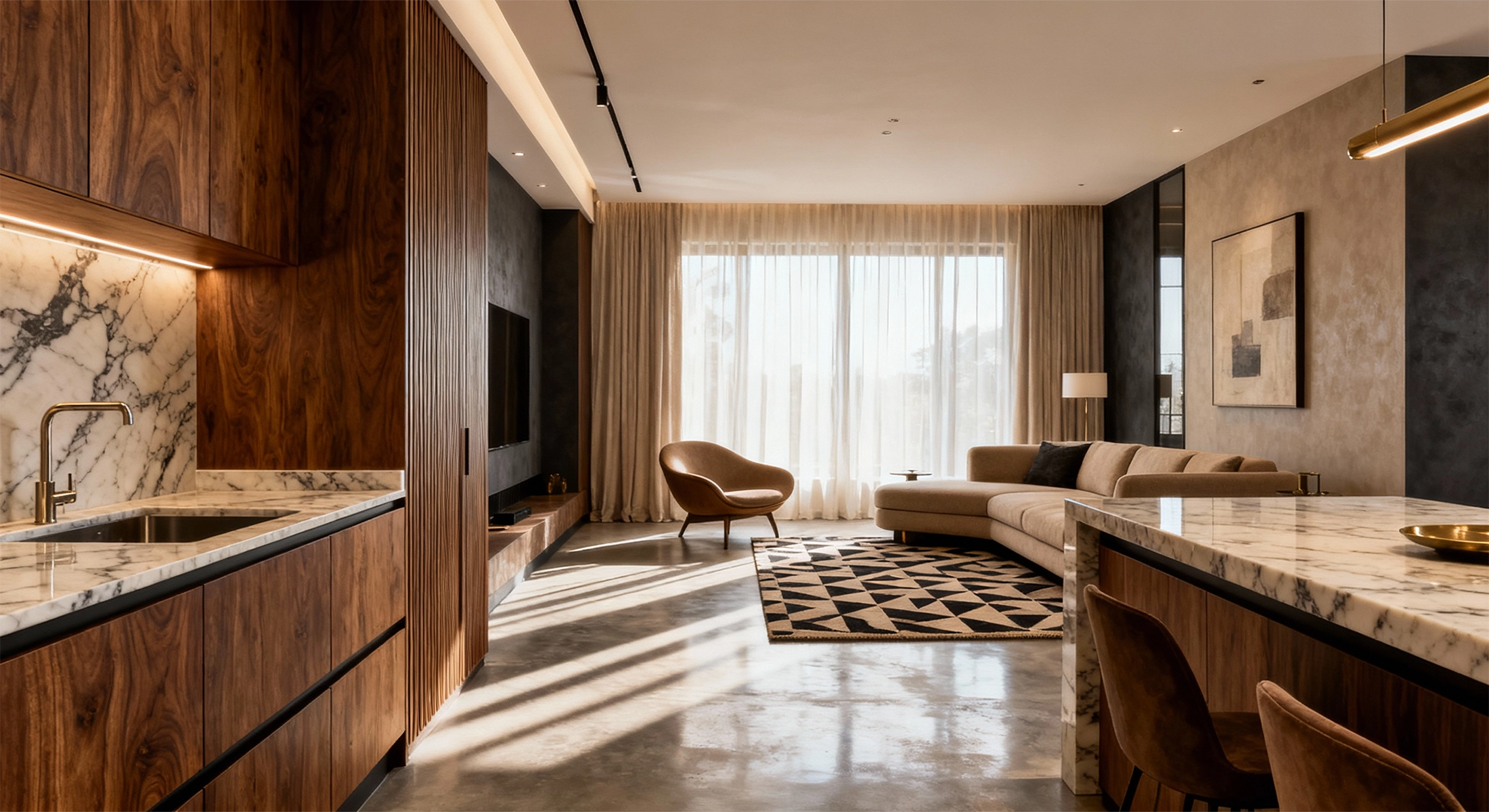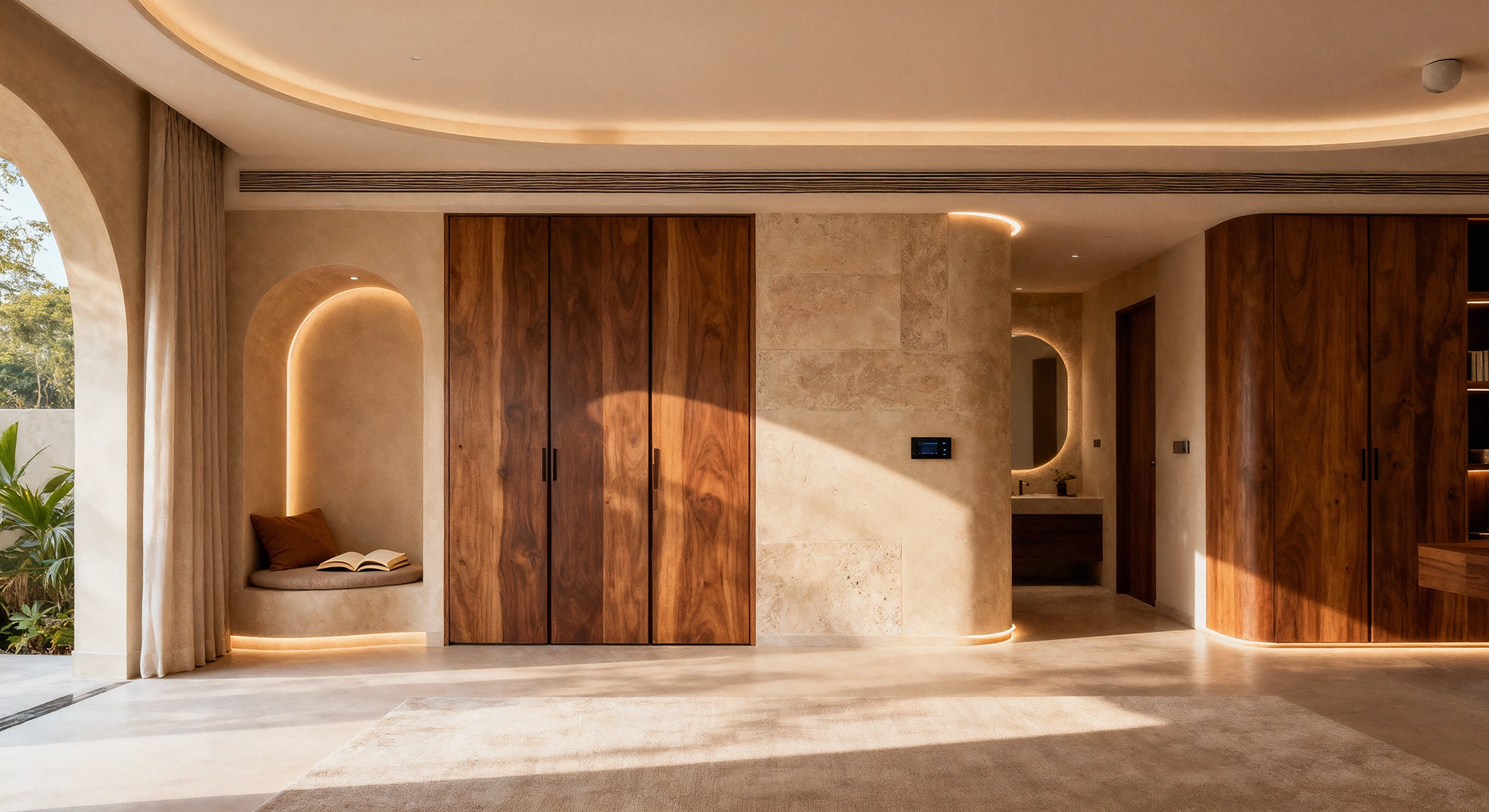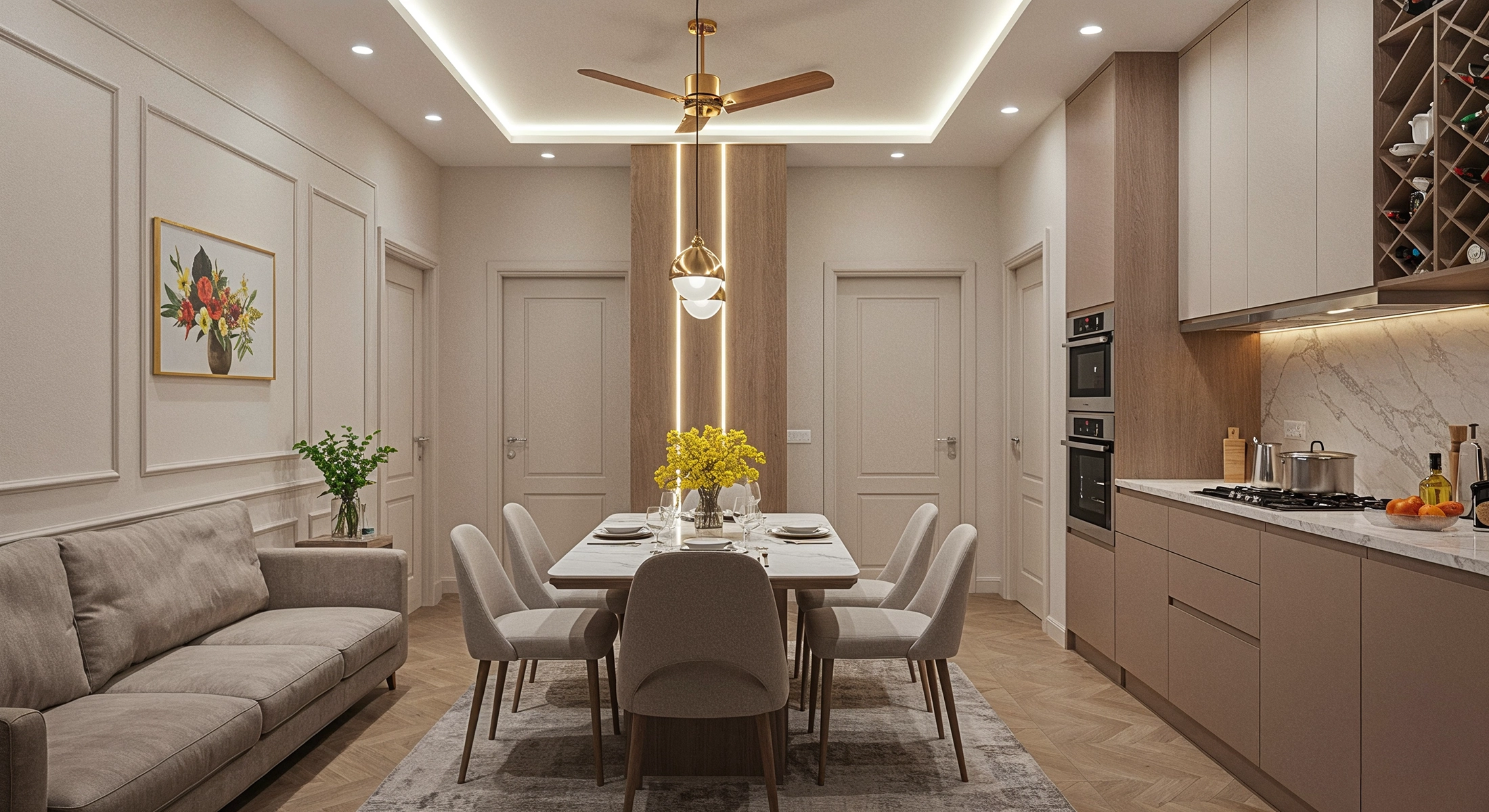


Renovating a home in 2026 isn’t just about changing the way your space looks—it’s about improving functionality, comfort, future value, and lifestyle. From compact city apartments to spacious suburban homes, Indian homeowners are now prioritising thoughtful layouts, long-lasting materials, energy efficiency, and smart design planning.
But with rising construction costs, endless material choices, and labour challenges, most homeowners make costly renovation mistakes that could have been prevented with the right guidance.
This detailed 2026 renovation guide will walk you through everything you must know before starting your renovation—so your home turns into a space you love, without budget shocks or structural issues.
1. Start With Space Planning — The Heart of Every Successful Renovation
One of the biggest renovation mistakes Indian homeowners make is assuming the interior designer can “start work and fix things later.”
This is the fastest way to burn your budget.
A good renovation always begins with space planning.
Why space planning matters:
- Ensures smooth movement inside the home
- Avoids cramped corners
- Allows furniture to fit perfectly
- Improves ventilation and lighting
- Prevents expensive last-minute civil changes
- Maximizes every square foot, especially in smaller homes
Ask your designer for:
✔ A detailed layout plan
✔ 2–3 layout options
✔ Furniture placement plans
✔ Concept mood boards
If the layout is weak, the renovation will fail—no matter how beautiful your materials are.
2. Choose Materials That Are Durable, Not Just “Expensive”
In 2026, material costs are rising. But the truth is: expensive ≠ good.
Good materials are those that last long and suit Indian usage patterns.
The best materials for long-term renovations in India:
Flooring
- Large-format vitrified tiles
- Engineered wood
- Anti-skid tiles for bathrooms
- Quartz stone flooring (premium option)
Kitchen Materials
- 16mm–18mm BWP plywood
- Quartz countertop
- Acrylic or laminate shutters
- Soft-close hardware (Hettich / Hafele)
Wardrobe Materials
- Commercial plywood or HDF
- Membrane, laminate, or PU finishes
- Sliding systems for space-saving
Bathroom Materials
- Anti-skid tiles
- Kohler, Jaquar, Grohe fittings
- Glass shower partitions
The goal is not luxury—it’s durability.
3. Waterproofing & Electrical Work Are Non-Negotiable
These are the two areas homeowners ignore the most.
Why waterproofing matters:
- Prevents leakage in bathrooms and kitchens
- Avoids fungal growth
- Protects walls and furniture
- Saves ₹50,000–₹5,00,000 in future repairs
Electrical planning:
Your lighting, AC points, appliance load, inverter load, and decorative lights should all be planned BEFORE false ceiling work begins.
Ignoring this results in:
✘ exposed wires
✘ insufficient plug points
✘ dimly lit rooms
✘ unnecessary hacking later
These two steps can make or break your renovation quality.
4. Invest in Smart Storage — It Will Change Your Home Experience
Homes in 2026 are designed to be minimal yet functional.
Visible clutter instantly makes a home feel outdated.
Best storage techniques for modern homes:
- Floor-to-ceiling wardrobes
- Built-in bed storage
- Tall kitchen cabinets
- Storage behind mirrors
- Wall niches for décor
- Sliding wardrobes for narrow rooms
- Hidden utility storage
The goal is to create a home that stays neat without effort.
5. Lighting Design Can Transform Your Entire Home
Good lighting = luxury.
Bad lighting = cheap-looking interiors.
Follow this 2026 lighting rule:
Layered lighting = better ambience + better functionality
Use a combination of:
✔ Ambient lights
✔ Warm LEDs
✔ Decorative pendants
✔ Table lamps
✔ Cove lighting in ceilings
✔ Wall washers
Avoid cold white lighting—it ruins the mood.
6. Don’t Ignore Ceiling & Wall Design
Walls and ceilings take up the most visual area in your home.
2026 wall trends:
- Textured paint
- Veneer panels
- Fabric cladding
- Vertical fluted panels
- Neutral matte tones
2026 ceiling ideas:
- Minimal false ceilings
- Cove lighting
- Wooden trims
- Gypsum layers
- Acoustic ceiling panels
Simple designs look modern. Overdesigned ceilings now look outdated.
7. Plan the Renovation Timeline Realistically
A good renovation takes time.
If someone promises “full house in 20 days,” that means shortcuts.
Standard timeline (India):
- Design: 2–4 weeks
- Civil work: 2–3 weeks
- Carpenter work: 3–6 weeks
- Painting & polish: 1–2 weeks
- Electrical & lighting: 1–2 weeks
- Final styling: 1 week
Expect 8–12 weeks for a smooth renovation.
8. Budget Smartly — Know Where to Save & Where to Spend
Spend more on:
- Waterproofing
- Electrical work
- Kitchen hardware
- Lighting
- Good plywood
- Bathroom fittings
Save on:
- Decorative accessories
- Paint finishes (keep it simple)
- Overly detailed carpentry
- Trendy décor that will date quickly
Your home should look timeless, not TikTok-trendy.
9. Hire a Designer Before You Start, Not After Mistakes
Most people call designers once the damage is already done on site.
A designer helps you:
✔ Decide the right layout
✔ Plan plumbing & electrical in advance
✔ Select materials
✔ Manage contractors
✔ Create a cohesive look
✔ Avoid budget waste
Design fees are cheaper than renovation mistakes.
10. Think Long-Term — Your 2026 Home Should Last 10+ Years
When renovating, don’t think only about today.
Think of future usage, family growth, kids, work-from-home needs, storage, and resale value.
Design choices that age well:
- Warm neutral tones
- Straight-line furniture
- Good-quality hardware
- Durable tiles
- Efficient wardrobes
- Hidden lighting
- Natural materials
The goal is a home that feels relevant even in 2035.
Conclusion
A home renovation in 2026 can transform your lifestyle, but only when done with proper planning, the right materials, and expert guidance. Whether you’re upgrading one room or redoing the entire house, follow these renovation principles to achieve a beautiful, functional, and long-lasting space.
A well-designed home is never an expense—it’s an investment that pays back every day.